Blessing Decorative Lettering: A Business Review
As a professional embroidery designer specializing in commercial branding and small business merchandise, I approach every new machine embroidery design with a critical eye. When evaluating assets for branded apparel or promotional goods, aesthetics are only half the battle; structural integrity and production viability matter just as much. Today, I am reviewing Blessing Decorative Lettering specifically through the lens of business application. While this design is categorized under Holidays Celebrations and marketed toward crafters, its decorative typography holds significant potential for boutiques, bakeries, florists, and handmade brands seeking a warm, artisanal aesthetic.
First Impressions: Visual Personality and Brand Fit
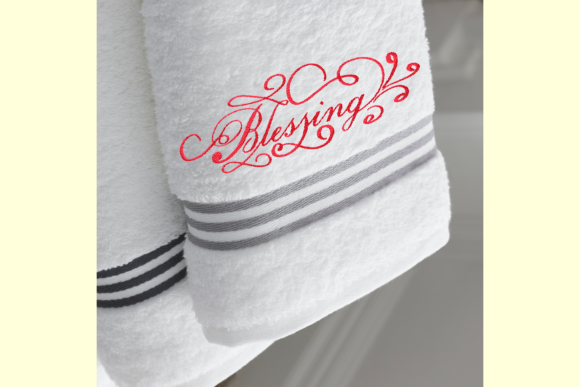
Upon loading the embroidery file, my first impression of Blessing Decorative Lettering is that it strikes a balance between elegance and approachability. The lettering style suggests a handcrafted quality that aligns perfectly with businesses relying on trust and personal connection. It does not feel corporate or sterile; instead, it evokes a sense of warmth and tradition. For a local bakery, a family-owned florist, or an Etsy seller focusing on heirloom-quality goods, this typography communicates values of care and authenticity without needing additional graphic elements.
However, "decorative" in embroidery often implies complexity. From a production standpoint, this design feels premium but requires careful handling. It lacks the rigid geometric structure of standard block fonts, meaning it carries a distinct visual personality that can elevate a handmade product. Yet, this same organic flow means it may not suit high-tech startups or industrial uniform suppliers looking for stark modernism. For the right niche, though, it is a powerful tool for establishing a soft, inviting brand identity.
Commercial Applications: Where This Design Shines
In real-world commercial embroidery scenarios, versatility is key. Blessing Decorative Lettering performs exceptionally well across several specific business applications where a softer touch is required.
- Apron Embroidery: This is perhaps the strongest use case. For cafés and bistros, placing this lettering on the chest or lower pocket of a canvas apron creates an immediate sense of hospitality. The decorative nature of the font complements the functional aspect of the garment without looking like a generic uniform.
- Tote Bag Design: Canvas totes are staples for retail merchandising. This lettering works beautifully as a primary brand mark or a seasonal tagline on natural cotton or linen bags. The texture of the fabric pairs well with the ornate stitch work, enhancing the perceived value of the merchandise.
- Boutique Packaging Accents: Beyond apparel, consider using this design on fabric dust bags, jewelry pouches, or reusable gift wraps. Adding a branded textile element transforms simple packaging into a keepsake, increasing customer retention and unboxing satisfaction.
- Staff Uniforms: For businesses with a rustic or vintage theme, such as antique shops or bed and breakfasts, this lettering serves as an excellent sleeve detail or yoke accent. It differentiates staff wear from standard polos, reinforcing the immersive customer experience.
Production Considerations and Technical Limitations
While the aesthetic appeal is clear, experienced embroiderers know that decorative fonts present unique challenges during digitization and stitching. When planning to use Blessing Decorative Lettering for small business merch, you must evaluate the technical constraints to avoid production failures.
Size and Legibility Risks
Decorative serifs and flourishes are the first casualties when resizing down. If you intend to use this for a small embroidered patch or a left-chest logo under three inches wide, proceed with caution. Intricate details can merge at smaller scales, resulting in thread breaks or illegible text. Always verify the minimum recommended size within your software before committing to a production run. If the design loses clarity below a certain threshold, reserve it for larger formats like tote bags or back-of-jacket prints rather than cap fronts or sleeve cuffs.
Fabric Texture and Stabilizer Selection
The performance of this digital embroidery file will vary drastically based on substrate choice. On smooth, tightly woven fabrics like poplin or twill, the decorative strokes should render crisply. However, on textured surfaces like burlap, heavy canvas, or fleece, the fine details risk getting lost. For these materials, you may need to adjust your stabilizer strategy, potentially using a heavier cutaway or adding a water-soluble topping to prevent stitches from sinking into the weave. Conversely, on stretchy knits used for custom apparel, adequate stabilization is non-negotiable to prevent the decorative lettering from distorting or puckering after washing.
Stitch Density and Washability
Decorative lettering often utilizes satin stitches or complex fills that increase stitch density. High density looks luxurious but can create bulletproof patches on lightweight fabrics or cause excessive needle penetration on delicate items. Furthermore, if the merchandise requires frequent industrial laundering—such as chef coats or salon capes—you must test the design’s durability. Ornate corners and thin connecting threads are vulnerable points. Ensure the digitizing includes adequate underlay and tie-offs to withstand repeated wash cycles without fraying.
Impact on Brand Value and Customer Perception
Choosing Blessing Decorative Lettering over a standard sans-serif font is a strategic branding decision. In the crowded market of handmade goods and local services, visual distinction drives recognition. This typeface signals that a business pays attention to detail and values tradition. When customers see this level of typographic care on a finished product, it subconsciously reinforces the quality of the service or goods being sold.
Consistency is equally vital. If you adopt this lettering for your primary logo, ensure it translates across all design assets. A brand that uses ornate embroidery on aprons but cheap vinyl stickers on packaging creates cognitive dissonance. Using this high-quality embroidery design consistently across touchpoints builds a cohesive narrative that justifies premium pricing and fosters deeper buyer engagement.
Essential Designer Notes for Implementation
Before running a full production order for cap embroidery, uniforms, or retail stock, adhere to these professional best practices to ensure success with Blessing Decorative Lettering:
- Verify File Specifications: The product description notes multiple files are included, but exact specs vary. Confirm the hoop size compatibility with your machines and check the stitch count to estimate production time and thread consumption accurately.
- Create a Printable Mockup: Before stitching, generate a digital mockup to visualize scale and placement. Share this with clients or stakeholders for approval to ensure the decorative style aligns with their vision.
- Test in Black and White: Run a sample using high-contrast thread (black on white or vice versa) to inspect stitch registration and spacing. Color gradients can sometimes hide poor digitizing; monochrome testing reveals the true structural quality.
- Evaluate Thread Color Contrast: Decorative fonts rely on shadow and light to show depth. Select thread colors that provide sufficient contrast against the garment color. Tone-on-tone embroidery with this style often fails because the intricate details disappear visually.
- Confirm Commercial Licensing: As this is marketed to crafters, double-check the license terms regarding commercial use. Ensure you have the right to sell finished products featuring this design or use it for client branding projects.
- Compare Beside Other Assets: Place this lettering next to your existing logos or icons. Ensure the weight and style complement rather than clash with your current visual ecosystem.
Blessing Decorative Lettering offers a unique opportunity for small businesses to infuse their merchandise with warmth and sophistication. By respecting its technical requirements and leveraging its artisanal charm strategically, you can transform a simple embroidery file into a cornerstone of a memorable, trustworthy brand identity.