Embroidery Stitch Sewing Alphabet Letter Review
As I curate my upcoming seasonal collection, finding the perfect typography is often the difference between a product that sits on the shelf and one that sells out before Black Friday. This year, I am evaluating the Embroidery Stitch Sewing Alphabet Letter for my holiday lineup. As an experienced embroidery designer, I approach every new machine embroidery design with a critical eye toward stitch quality, production efficiency, and customer appeal. This specific display font promises a tactile, hand-sewn aesthetic that aligns perfectly with the cozy, nostalgic mood shoppers crave during the holidays. Here is my professional assessment of how this font performs in real-world seasonal production.
Capturing the Cozy Holiday Aesthetic
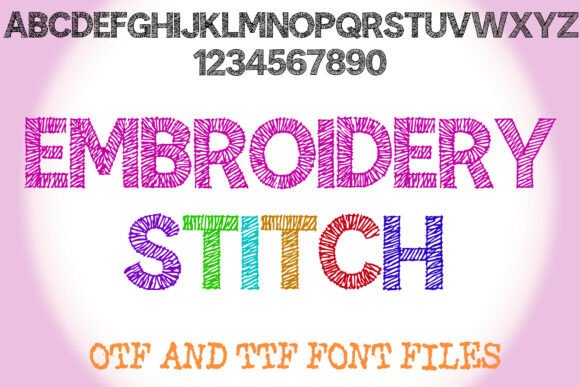
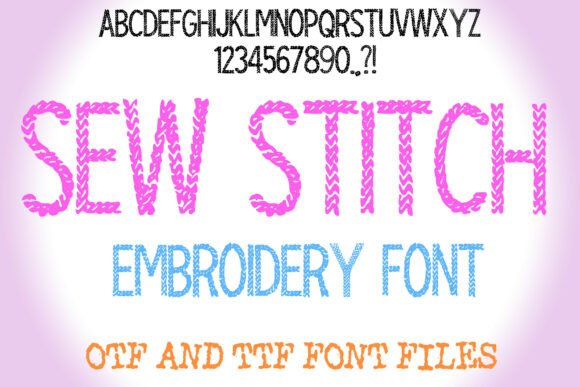
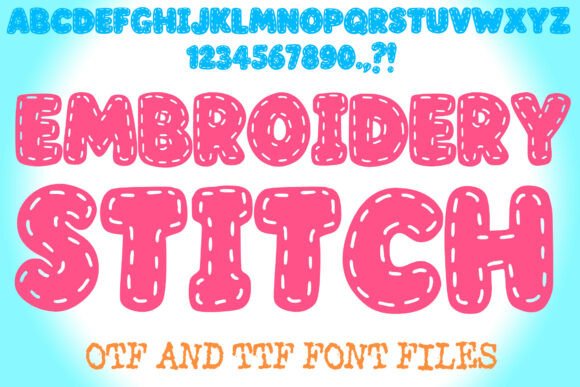
My first impression of the Embroidery Stitch Sewing Alphabet Letter is that it successfully bridges the gap between digital precision and handmade warmth. In the crowded market of holiday embroidery, customers are often looking for items that feel authentic rather than mass-produced. The bold, rounded nature of this typeface mimics the look of traditional hand-stitching, which immediately evokes feelings of comfort and tradition. It does not feel overly modern or sterile; instead, it carries a playful yet refined charm that suits family-oriented gifts.
For my seasonal shop, emotional resonance drives sales. When a customer views a personalized gift listing, they need to visualize their loved one’s name rendered in a way that feels special. This font delivers that visual cue instantly. It strikes a balance between being decorative enough for a festive ornament and legible enough for a personalized sweatshirt. Unlike intricate script fonts that can become muddy when stitched, the open structure of these letters suggests they will maintain clarity even when scaled down for smaller projects.
Best Applications for Seasonal Best-Sellers
When planning a holiday collection, versatility is key to maximizing return on investment. I have identified several high-potential applications for the Embroidery Stitch Sewing Alphabet Letter based on current market trends and my own production capabilities.
- Sweatshirt Embroidery: This is arguably the strongest use case. The bold weight of the lettering provides excellent coverage on fleece and French terry fabrics without requiring excessive underlay. It creates a vintage collegiate or rustic farmhouse vibe that is trending heavily on Etsy right now.
- Kitchen Towel Embroidery: Holiday baking is a massive niche. This font’s playful character works beautifully for monograms on flour sack towels or waffle-weave linens. The texture of the stitches complements the fabric texture, enhancing the handmade feel.
- Tote Bag Design: For gift bundles or reusable wrapping alternatives, this alphabet offers high visibility. The rounded edges prevent snagging, making it practical for bags that will be carried through busy holiday markets.
- Pillow Cover and Home Decor: Seasonal throw pillows benefit from text that looks soft to the touch. This font avoids sharp corners that might poke or look harsh against plush velvet or linen backgrounds.
- Embroidered Patch: Because the letters are bold and distinct, they translate well to patches. This allows me to create add-on products for denim jackets or backpacks without worrying about fine details getting lost in the merrowed edge.
Production Considerations and Technical Limits
While the aesthetic is winning, a professional designer must always consider the mechanics. Not every digital embroidery file behaves identically across different substrates. Based on the description of this font as "bold and rounded," there are specific scenarios where I would exercise caution.
Fabric Texture and Stabilizer Choices
The success of the Embroidery Stitch Sewing Alphabet Letter relies heavily on proper stabilization. On thick towels or nubby fabrics, the rounded stitch columns could sink into the pile if the stabilizer is insufficient. I recommend using a heavy-weight cutaway or a water-soluble topping to ensure the stitches sit proudly on top of the fabric. Conversely, on lightweight baby items or stretchy knits, the bold density might cause puckering. Test stitching on scrap fabric is non-negotiable before running a full production batch.
Small Hoop Sizes and Tiny Lettering
Although described as a display font, sellers often want to use alphabets for small tags or collar labels. Users should verify the minimum recommended size before attempting tiny lettering. Bold, satin-style stitches can merge and become illegible if resized below their intended threshold. For items like curved caps or small ornaments, I advise checking the hoop size compatibility and potentially adjusting the spacing manually to accommodate the curve without distorting the letter shapes.
Thread Colors and Metallic Threads
Holiday designs often call for gold, silver, or red threads. Metallic threads are thicker and less flexible than standard rayon or polyester. If you plan to stitch this alphabet in metallic thread for a premium festive look, you may need to slightly increase the spacing or reduce the stitch density to prevent needle breaks and thread shredding. Always test thread colors on both light and dark fabrics, as the perceived weight of the letter can change dramatically depending on contrast.
Enhancing Shop Value and Customer Trust
Integrating the Embroidery Stitch Sewing Alphabet Letter into my collection is about more than just pretty stitches; it is a strategic business decision. Consistency builds brand recognition. By using this cohesive typeface across my Etsy seller listings, social media previews, and packaging, I create a unified visual identity that signals professionalism to buyers.
Furthermore, the tactile quality of this font increases the perceived value of the finished product. Shoppers associate detailed, textured stitching with higher quality and greater effort. When creating printable mockups or photographing samples, the dimensional aspect of this font catches the light differently than flat prints, making the product pop in search results. For commercial embroidery businesses offering personalization services, having a reliable, legible, and festive font reduces revision requests and increases customer satisfaction.
Designer Notes for Successful Implementation
Before adding this font to your seasonal catalog, please review these practical checkpoints to ensure a smooth workflow:
- Verify Licensing: Always confirm the commercial licensing terms included with the embroidery file. Ensure you are permitted to sell finished goods featuring this alphabet, especially for high-volume holiday drops.
- Check File Formats: Confirm the download includes the specific format your machine requires. While OTF is mentioned for the font source, ensure you have the digitized embroidery formats (PES, DST, JEF, etc.) needed for production.
- Create Realistic Mockups: Do not rely solely on software simulations. Stitch out at least three variations (light, dark, and textured fabric) to photograph for your listings. Customers trust photos of actual handmade gift samples over digital renders.
- Plan Color Palettes: Pre-select your holiday thread palette. Match the font style with complementary colors—cream and sage for rustic vibes, or classic red and green for traditional appeal. Document these pairings to speed up fulfillment.
- Test Wash Durability: For items like aprons, table linens, and baby clothes, wash and dry your test swatch. Ensure the bold stitches hold up to repeated laundering without fraying or pulling away from the fabric.
The Embroidery Stitch Sewing Alphabet Letter represents a strong addition to any seasonal embroidery arsenal. Its blend of playfulness and tactile warmth addresses the core emotional drivers of holiday shoppers while offering the versatility needed for a diverse product range. By respecting the technical requirements of bold stitching and applying it strategically across high-demand categories, this font can help transform a standard holiday collection into a memorable, best-selling season. As with any tool in our craft, success lies in the thoughtful application and rigorous testing that defines professional small shop product development.