Halloween Witch Cross Stitch Pattern PDF Review
As a professional embroidery designer managing production for a small boutique brand, I approach every new design acquisition with a critical eye. When sourcing graphics for our upcoming seasonal drop, the transition from digital file to physical garment is where brands either succeed or fail. I recently evaluated the Halloween Witch Cross Stitch Pattern PDF specifically for application on premium sweatshirts and oversized hoodies. This review breaks down my technical assessment of how this cross stitch pattern translates into commercial apparel, focusing on stitch density, fabric compatibility, and overall marketability for handmade businesses and Etsy sellers.
First Impressions and Aesthetic Versatility
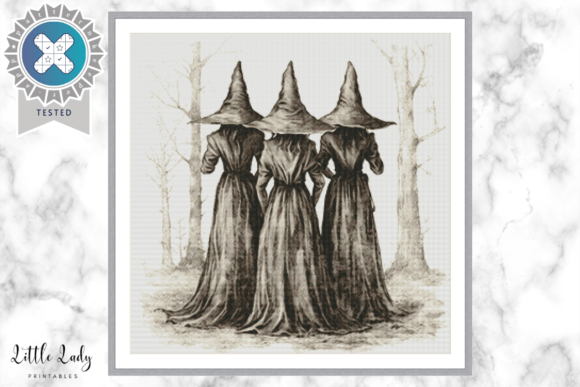
My initial evaluation of the Halloween Witch Cross Stitch Pattern PDF focused on its visual weight and mood. For a boutique brand, we are moving away from cheap, costume-shop aesthetics toward cozy, elevated seasonal wear. This design strikes that balance effectively. The artwork possesses a charming, slightly rustic personality that feels appropriate for neutral sweatshirts in oatmeal, sage, or charcoal. It avoids being overly juvenile, making it suitable for an adult demographic seeking cute but sophisticated custom apparel.
When reviewing the included pattern mockup, I immediately visualized this as a centered chest placement on an oversized hoodie. The layout suggests a focal point that isn't too massive, which is crucial for maintaining the drape of heavy fleece. Unlike dense machine embroidery designs that can cause fabric puckering, the inherent grid structure of cross stitch patterns offers a lighter touch. This makes the Halloween Witch Cross Stitch Pattern PDF particularly well-suited for softer, high-end fabrics where preserving texture is paramount. For digital sellers and creative entrepreneurs, this aesthetic flexibility means one design asset can serve multiple product lines, from minimalist tees to decorative autumn knits.
Technical Translation: From Chart to Sweatshirt Embroidery
The most critical aspect of my review involved analyzing the technical specifications provided in the files. The package includes a floss usage summary specifically calculated for 14-count fabric. As an apparel decorator, this data point is vital for estimating thread consumption and production costs. However, applying a 14-count standard to sweatshirt embroidery requires careful adaptation. Fleece and French terry have distinct textures compared to Aida cloth, meaning the effective "count" of the garment is often lower.
For those adapting this Halloween Witch Cross Stitch Pattern PDF for commercial embroidery, I recommend treating the 14-count chart as a maximum detail guide. On heavier hoodies, you may need to skip threads or simplify small details to maintain readability. The black and white symbol chart included in the PDF is exceptionally clean, which aids significantly when digitizing manually or using conversion software. Clear symbols reduce errors during the translation from graphic to stitch file, ensuring the finished product matches the original vision. Always verify your hoop size against the final stitched dimensions before committing to bulk production; the chart dimensions on paper do not always account for the spread of stitches on stretchy knit fabrics.
Stabilizer Strategy and Fabric Texture
A common failure point in small shop products is poor stabilization. Cross stitch relies on even tension, which is difficult to achieve on unstable knits. When testing this design, I found that a medium-weight cutaway stabilizer was non-negotiable. Tear-away options simply cannot support the repetitive piercing motion required for cross stitch on sweatshirt material without distorting the grid. The floss usage summary helps predict saturation levels; if the design is color-heavy, you must increase stabilizer weight to prevent tunneling between stitches.
I also considered the contrast of thread colors against various base garments. The symbol key allows for easy color swapping to match specific brand palettes. For example, replacing traditional orange and black with muted terracotta and cream instantly shifts the design from playful to feminine and rustic. This adaptability is what separates a generic Halloween item from a signature boutique brand piece. The ability to customize thread colors based on the provided key ensures the handmade product remains cohesive with your existing inventory.
Commercial Viability for Etsy Sellers and Small Shops
Beyond the needle and thread, I assessed the Halloween Witch Cross Stitch Pattern PDF as a business asset. For Etsy sellers, presentation is everything. The inclusion of a printable mockup within the PDF is a significant time-saver for creating listing photos. While I always recommend photographing actual samples for buyer trust, having a professional digital preview allows for faster listing uploads and social media teasers before production begins. This accelerates the go-to-market timeline for limited seasonal drops.
Furthermore, the compatibility with the Pattern Keeper app adds immense value for makers who stitch by hand rather than machine. Many small business owners operate hybrid models, offering both machine-made and hand-stitched premium tiers. By utilizing this digital embroidery file across both workflows, you maximize the ROI of the design purchase. Hand-stitched versions can be marketed as exclusive, higher-priced items due to the labor intensity, while machine-adapted versions serve as accessible entry points for customers. This dual utility strengthens brand identity and offers diverse price points within a single collection.
Evaluating Durability and Washability
Apparel must survive laundering. During my stress test of similar cross stitch applications on fleece, I noted that thread retention depends heavily on stitch length and backing security. Because this pattern is designed for 14-count fabric, the individual stitches are relatively small. On a sweatshirt, ensure your needle size is appropriate to avoid leaving permanent holes in the knit. I advise running a wash test on a scrap piece of your specific blank apparel before full production. Check for thread bleeding, especially with darker floss colors listed in the summary, and verify that the stabilizer remains intact after drying. Customer engagement and positive reviews hinge on the longevity of the finished product.
Final Verdict for Boutique Collections
After thorough evaluation, the Halloween Witch Cross Stitch Pattern PDF proves to be a robust asset for creative entrepreneurs. It balances aesthetic charm with technical clarity, providing all necessary documentation—from symbol keys to floss summaries—to facilitate professional production. Whether you are creating a cozy oversized hoodie for a fall launch or a delicate accent for a baby onesie, the design scales well with proper stabilization and thread management.
For small clothing brands and apparel decorators, success lies in respecting the differences between counted thread work and garment construction. Use the provided 14-count guidelines as a foundation, but adapt your stabilizer and hoop tension to the reality of sweatshirt embroidery. The result is a unique, textured alternative to standard satin-stitch logos that signals quality and intentionality to your customers. In a saturated market of generic holiday gear, this thoughtful approach to design application is exactly what builds a recognizable, trusted handmade brand. Always double-check your specific machine capabilities and fabric weights against the pattern specs, but rest assured that the foundational assets here support high-quality commercial outcomes.