Mockup of a Window: A Designer’s Stitch-Out Review
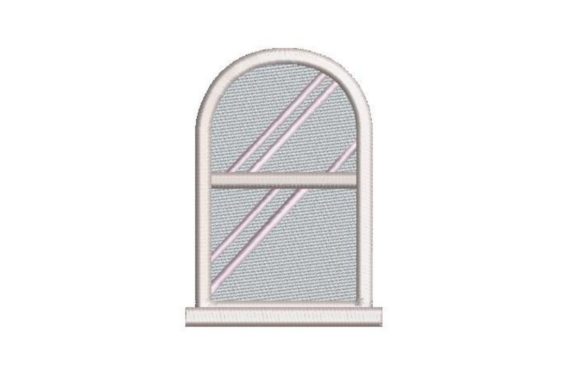
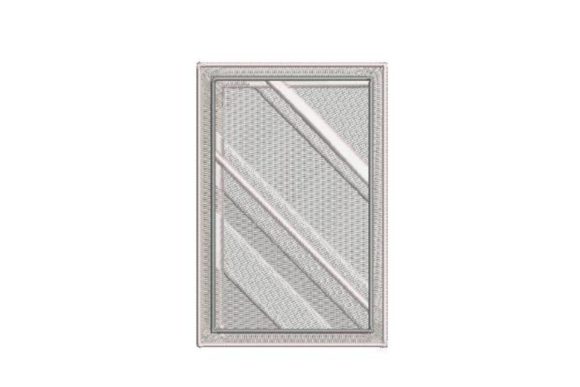
When evaluating digital assets for a craft business or personal studio, the difference between a mediocre project and a bestseller often lies in the digitizing quality. As someone who has tested thousands of designs for commercial embroidery and client work, I approach every new file with a healthy dose of skepticism. Does it actually stitch out as beautifully as the screen preview suggests? Today, I am reviewing the Mockup of a Window machine embroidery design to determine if it holds up under real-world production conditions.
This design falls squarely into the House Home category, but its application extends far beyond simple wall hangings. My first impression is that this is not merely a decorative graphic; it is a structural element. The "window" concept implies framing, perspective, and depth. For an Etsy seller or boutique owner, this type of imagery is invaluable because it naturally creates a focal point. It invites the viewer to look through the embroidery rather than just at it. However, visual appeal on a monitor does not guarantee success on fabric. Let’s break down how this design performs when thread meets textile.
Real-World Application: The Custom Tote Bag Test
To truly judge the Mockup of a Window, I mentally placed it in one of my most frequent production scenarios: a custom canvas tote bag for a local market vendor. Tote bags are high-stress items. They get washed, stuffed with heavy groceries, and folded repeatedly. A design that looks delicate on screen can become a puckered mess on unstructured canvas if the stitch density is poorly managed.
In this scenario, the window frame serves as an excellent anchor. If this is an applique design, the frame provides a clean edge that stabilizes the surrounding fabric. If it relies entirely on satin stitch borders, I would be checking specifically for pull compensation. Windows have straight lines, and nothing reveals bad digitizing faster than a bowed or wavy window frame on a finished product. Based on the description of "lovely features," I expect the corners to be reinforced adequately to prevent fraying during use.
For small shop product lines, this design offers versatility. Imagine stitching this window in a neutral tone on a cream sweatshirt, then placing a seasonal motif or personalized monogram inside the window pane. This transforms a single digital embroidery file into a platform for endless variations. It solves a common problem for makers: creating cohesive collections without buying fifty separate designs. The window acts as a consistent branding element across aprons, tea towels, and nursery decor.
Fabric Compatibility and Stabilizer Strategy
Not all fabrics treat architectural designs kindly. When working with the Mockup of a Window, you must consider the interplay between the design's weight and your chosen material.
- Structured Fabrics: Denim, canvas, and twill are ideal. They support the likely density of a window frame without excessive distortion. Use a medium-weight cutaway stabilizer for permanent support.
- Stretchy Knits: If applying this to a t-shirt or baby onesie, caution is required. Architectural lines do not stretch. You must use a fusible knit stabilizer or mesh cutaway to lock the fabric grain before hooping. Without this, the window will warp after the first wash.
- Textured Surfaces: On terry cloth towels or fleece, the fine details of a window muntin or latch can get lost. Consider using a water-soluble topping to keep the running stitch details visible above the pile.
- Dark Fabrics: High contrast is key here. If the window is meant to look like light passing through, ensure your thread colors provide enough luminosity against dark backgrounds, or plan for a white underlay base.
I always advise testing on scrap fabric first. Screen renders cannot simulate the physical thickness of thread. What looks like a crisp line digitally might feel stiff or bulky on lightweight linen. Verify that the hoop size you intend to use allows for adequate margin around the design; windows need breathing room to maintain their geometric integrity.
Elevating Perceived Value in Handmade Products
Why choose a window motif over a standard floral or animal design? From a business perspective, architectural elements signal intentionality. Customers associate structured, symmetrical designs with professionalism and higher value. A crooked flower can be charmingly rustic; a crooked window looks like a mistake.
When used correctly, Mockup of a Window enhances the perceived quality of your handmade product. It frames your craftsmanship. For personalized gift items, such as wedding pillows or anniversary blankets, the window metaphor resonates emotionally. It suggests looking forward, opening new chapters, or viewing memories. This narrative layer is what sells products at premium prices compared to generic clip art.
Furthermore, this design serves dual purposes for digital sellers. Beyond being a stitchable asset, it functions as a literal mockup tool. You can use the negative space within the window to showcase other designs or text in your listing photos. This improves buyer engagement by helping customers visualize the end result. Clear, professional presentation builds trust, and trust drives sales for creative entrepreneurs.
Critical Technical Checks Before Production
While the product description notes that this comes with multiple embroidery file formats and promises beautiful results, professional due diligence is non-negotiable. Before listing any item featuring this design for sale, run through this checklist:
- Verify Licensing: Confirm whether your purchase includes commercial rights for finished products versus digital redistribution. Never assume; always check the specific license terms included with the download.
- Audit Small Details: Zoom in on the file in your embroidery software. Are there tiny satin stitches less than 1mm wide? These may break needles or shred thread. Resize carefully if necessary.
- Check Jump Stitches: Architectural designs often involve disconnected elements. Ensure jump stitches are trimmed properly or routed logically to minimize post-production cleanup time.
- Test Color Contrast: View the design in black and white mode. If the window frame disappears against the background fill without color differentiation, the design lacks tonal value and will fail on monochromatic garments.
- Wash Test: For items like baby embroidery or kitchen linens, wash and dry the sample three times. Check for tunneling around the frame or shrinkage that distorts the square shape.
Final Verdict for Makers and Sellers
The Mockup of a Window represents a sophisticated addition to any Embroidery library. Its strength lies in its utility as both a standalone feature and a compositional framework. For the hobbyist, it offers a satisfying challenge in alignment and fabric management. For the business owner, it provides a scalable template for seasonal and personalized inventory.
Success with this design depends entirely on respecting its structural nature. Treat it as architecture, not just decoration. Pay attention to your stabilizer choices, honor the geometry with proper hooping tension, and leverage its framing capability to tell a story. When executed with care, this design delivers the professional polish that distinguishes a thriving handmade brand from a casual craft table. Always remember that the digital file is merely the blueprint; your expertise in materials and machine handling is what builds the house.