Tahoma Fonts Embroidery Design: A Seller's Review
As an Etsy seller and small business owner, finding the right typography for machine embroidery is often more challenging than finding the perfect graphic. When browsing Creative Fabrica embroidery collections, I look for fonts that balance aesthetic appeal with technical reliability. The Tahoma Fonts Embroidery Design has caught my attention as a potential workhorse for my shop. Unlike decorative scripts that can be difficult to read at small sizes, this digital embroidery file promises clarity and versatility. In this review, I am evaluating this design from a production standpoint to determine if it deserves a spot in my commercial embroidery library for personalized gifts and custom apparel.
Visual Personality and Market Positioning
The first question I always ask when assessing a new embroidery file is where it fits in my current product lineup. Based on its clean, sans-serif structure, the Tahoma Fonts Embroidery Design leans heavily into modern, minimal, and professional aesthetics. It does not feel rustic, ornate, or overly feminine. Instead, it offers a bold yet refined look that appeals to buyers seeking contemporary handmade products.
This visual personality makes it exceptionally well-suited for specific niches. For example, it feels premium enough for boutique merchandise but accessible enough for everyday craft fair items. The clean lines suggest it would perform beautifully on unisex sweatshirt embroidery, where legibility is paramount. Similarly, for kitchen towel embroidery or apron personalization, this font provides a neat, organized appearance that customers associate with high-quality custom work. It avoids the cluttered look of complex lettering, making it ideal for buyers who want names or dates to be instantly recognizable in product photography and social media previews.
Best Applications for Small Business Products
Versatility is key for any Etsy seller trying to maximize the return on investment for a machine embroidery design. The Tahoma Fonts Embroidery Design appears optimized for personalization, which is the backbone of many successful creative businesses. Here is how I envision integrating this font into various product categories:
- Tote Bag Design: Canvas tote bags require bold stitching to stand out against textured fabric. This font’s likely solid fill and clean edges should prevent the design from getting lost in the weave, making quotes or monograms pop.
- Baby Embroidery: While nursery decor often uses script, parents frequently request simple, readable names for blankets and bibs. A sans-serif option like Tahoma ensures the baby’s name is spelled clearly without looking too formal.
- Embroidered Patches: Creating patches requires tight satin stitches and excellent readability at small scales. This font style is typically engineered to maintain integrity even when scaled down for uniform patches or hat logos.
- Custom Apparel: For left-chest logos on polos or hoodies, professionalism is non-negotiable. This design supports corporate orders, team uniforms, and small batch apparel lines that need to look cohesive and branded.
By using this single embroidery file across multiple categories, I can create a consistent brand identity while minimizing the time spent digitizing or searching for matching typefaces.
Enhancing Buyer Value and Perceived Quality
In the competitive world of Etsy and handmade markets, presentation drives sales. The Tahoma Fonts Embroidery Design can significantly enhance buyer-focused value by making finished goods appear more professional. Shoppers often equate clean, crisp text with higher quality craftsmanship. A messy or illegible font can make even the most expensive garment look cheap, whereas a well-executed typographic design elevates the perceived value of the entire piece.
Furthermore, this font supports better marketability. Because of its straightforward geometry, it is easier to photograph on real fabric without worrying about shadows obscuring intricate details. This translates to better listing thumbnails and clearer printable mockups for customers trying to visualize their custom order. When a personalized gift looks polished in photos, conversion rates increase. Additionally, the timeless nature of a sans-serif font means products created today will not look dated in two years, protecting the longevity of my inventory and evergreen listings.
Critical Production Notes for Sellers
Before adding the Tahoma Fonts Embroidery Design to my active rotation, I must validate its technical performance. As experienced embroiderers know, a font that looks perfect on screen can behave differently on fabric. I recommend every seller follow these practical steps before listing products for sale:
- Create a Sample Stitch-Out: Never sell a product based solely on a digital preview. Stitch the font on scrap fabric similar to your final product to check for registration issues or thread breaks.
- Evaluate Stitch Density: Check if the density is appropriate for your target materials. If the stitch density is too high for lightweight knits, it may cause puckering; if too low for towels, the fabric might show through. Adjustments may be necessary.
- Test Readability at Thumbnail Size: Print out a photo of your sample at 2x2 inches. Can you still read the text? If not, the font may be too thin for small-scale applications like tags or cuffs.
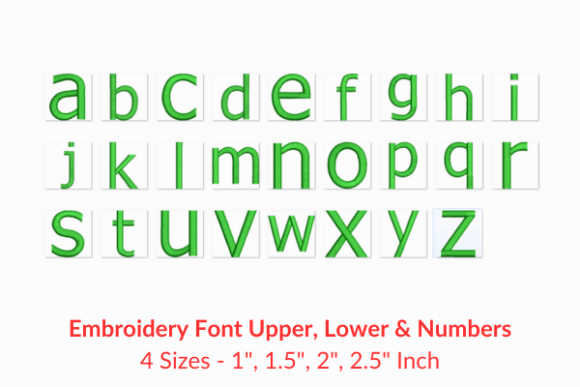
- Verify Hoop Size Compatibility: Confirm the maximum dimensions of the alphabet characters. Ensure they fit within your machine’s hoop size without requiring excessive re-hooping for longer names.
- Check Stabilizer Requirements: Test different stabilizers to see which yields the crispest edge. Clean typography demands precise stabilization to avoid jagged outlines.
- Review Licensing Terms: Always confirm the specific license on the Creative Fabrica product page. Verify whether the license covers physical finished products, digital files, or both, and check for any limitations on commercial use.
Integrating Into Your Workflow
For those managing a craft business, efficiency is just as important as creativity. The Tahoma Fonts Embroidery Design seems positioned as a reliable utility player rather than a seasonal novelty. Its strength lies in its ability to pair with other elements. I can easily combine this font with floral graphics for spring collections or geometric shapes for modern home decor without clashing styles.
When planning new Etsy listings, consider creating bundles or tiered pricing based on personalization options enabled by this font. For instance, offering a base price for a standard item and an add-on fee for custom text stitched in this clean typeface can increase average order value. Because the font is versatile, you can also use it for internal business needs, such as branding packaging tags or creating care labels, further maximizing the utility of the purchase.
Making the Final Decision
Ultimately, the decision to acquire the Tahoma Fonts Embroidery Design depends on your shop’s specific needs. If your current library lacks a strong, modern sans-serif option for personalization, this design fills a significant gap. It addresses the practical needs of an Etsy seller who requires legibility, speed, and professional results across diverse fabrics.
However, I strongly advise visiting the Creative Fabrica product page to verify all technical specifications. Confirm the included file formats match your machine’s requirements and review the exact character set available. By doing your due diligence and testing the design thoroughly, you can confidently integrate this tool into your production workflow. For sellers focused on custom apparel, home decor, and personalized gifts, having a dependable typography solution like this is often the difference between a good shop and a great one.