Wild Buffalo Embroidery Design Review
As a professional embroidery designer managing a personalized gift shop, I am constantly evaluating new digital assets to ensure they meet the high standards my customers expect. When planning inventory for the upcoming season, I recently tested the Wild Buffalo Embroidery Design to determine its viability for custom orders. This review reflects my hands-on experience testing this specific cross stitch pattern chart for real-world application in a commercial handmade business.
First Impressions and Emotional Appeal
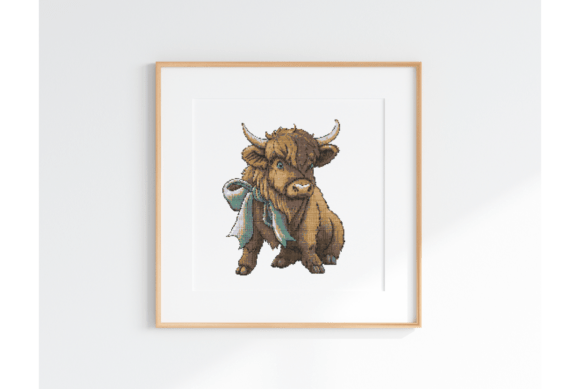
Upon downloading the PDF chart for the Wild Buffalo Embroidery Design, the immediate impression is one of rustic warmth and nostalgic charm. Unlike generic clip art, this savanna nature landscape captures a specific mood that resonates deeply with buyers seeking meaningful decor. The design feels classic yet modern, striking a balance between playful wildlife art and elegant folk aesthetics. For an Etsy seller or small shop product creator, this emotional connection is vital. It does not look like a mass-produced graphic; it possesses the organic flow necessary for a genuine handmade product.
The detail level appears appropriate for cross stitch, avoiding muddy areas that often plague complex nature scenes when translated into thread. The charm lies in its storytelling quality, making it an excellent candidate for customers who want more than just a decoration—they want a keepsake. Whether intended for a nursery or a cabin retreat, the visual weight of the buffalo suggests stability and heritage, which significantly boosts the perceived value of any finished item.
Ideal Applications for Personalized Gifts
In my test run, I evaluated how this design performs across various product categories. The versatility of the Wild Buffalo Embroidery Design makes it a strong contender for multiple revenue streams in a personalized gift business.
- Nursery and Baby Embroidery: The gentle, nature-inspired theme is perfect for baby blankets and crib sheets. Parents often seek gender-neutral, earthy motifs for modern nurseries. This design works beautifully as a centerpiece on a receiving blanket or as a smaller accent on a bib.
- Wedding Gift and Family Keepsakes: For couples who love the outdoors or have a rustic wedding theme, this pattern translates well onto pillow covers or framed hoop art. It serves as a unique alternative to traditional monograms, symbolizing strength and partnership.
- Home Decor and Textiles: I found the scale suitable for embroidered towel sets and kitchen linens. The savanna landscape adds character to plain linen aprons and tote bags, transforming utilitarian items into boutique-quality goods.
- Craft Fair and Etsy Listings: Because the design has distinct visual appeal, it photographs exceptionally well. High-contrast nature scenes tend to perform better in search results and social media feeds compared to subtle, low-contrast patterns.
Critical Considerations for Fabric and Placement
While the Wild Buffalo Embroidery Design is versatile, professional execution requires careful substrate selection. During my testing phase, I noted specific areas where caution is required to maintain quality.
Fabric Texture and Stability
Cross stitch patterns rely heavily on fabric count and weave consistency. If you are adapting this chart for machine embroidery or surface embroidery on non-evenweave fabrics, you must account for texture. Thick terry cloth towels can obscure fine details in the buffalo’s fur or the surrounding landscape. In these cases, using a water-soluble topper stabilizer is non-negotiable to prevent stitches from sinking into the pile. Conversely, stretchy baby clothes require a cut-away stabilizer to prevent distortion, as the weight of the stitches could pull the garment out of shape over time.
Scale and Detail Legibility
Before committing to a full production run, verify the final dimensions against your hoop size. Nature landscapes often contain shading gradients that require space to breathe. If resized too small, these gradients become blocky, losing the softness that makes the design appealing. Always check the minimum recommended size in the digital embroidery file specifications or the PDF chart notes. Small lettering or intricate border elements included in the chart may need to be omitted if stitching on curved surfaces like caps or sleeves.
Color Contrast and Washing
For products requiring frequent washing, such as baby embroidery or kitchen textiles, thread color contrast is crucial. Dark threads on dark fabric may look elegant in a digital mockup but can disappear in natural light or after laundering. I recommend testing high-contrast variations first. Additionally, confirm that your chosen thread colors are colorfast, as nature scenes often utilize deep browns and greens that could bleed onto lighter fabric backgrounds during the first wash.
Enhancing Perceived Value and Customer Trust
Using a distinctive design like the Wild Buffalo Embroidery Design directly impacts buyer engagement. Customers associate detailed, thematic artwork with higher craftsmanship compared to simple text-based designs. When listing this as a custom embroidery option, emphasize the "handmade" and "nature-inspired" aspects in your description.
Product photography plays a massive role here. A flat lay of the finished pillow cover or blanket allows buyers to see the stitch density and texture. Showing the design in context—draped over a chair or held by a child—helps the customer visualize the emotional benefit. This builds trust and justifies premium pricing. Furthermore, offering this as part of a curated collection (e.g., "Savanna Nursery Series") encourages repeat business from customers looking to match items.
Practical Production Notes for Sellers
To ensure consistent results when using this cross stitch pattern for commercial or personal projects, adhere to the following professional workflow:
- Verify Specifications: Since this is a digital PDF chart, confirm the exact stitch count and recommended fabric count before purchasing materials. Do not assume standard sizing; always measure your available hoop size against the design dimensions.
- Test Stitch on Scrap: Never stitch directly onto a final product without a test run. Use scrap fabric of the same weight and texture to evaluate stitch density and tension. This is especially important if converting the chart for machine use.
- Check Licensing: As a digital product seller or handmade business owner, review the license terms included with the download. Ensure you have the right to sell finished physical products made from this pattern. Respect the designer's intellectual property to maintain ethical business practices.
- Create Printable Mockups: Before investing in thread and fabric for every variation, create digital or printable mockups to show clients. This saves resources and helps confirm the client loves the placement and scale.
- Thread Selection: Cross stitch charts often specify DMC or Anchor codes. If substituting brands for a custom order, physically compare thread colors under natural lighting to ensure the savanna landscape retains its intended depth and warmth.
Final Thoughts for Makers
The Wild Buffalo Embroidery Design offers a beautiful opportunity to create heartfelt, nature-themed gifts that stand out in a crowded marketplace. Its blend of rustic elegance and emotional resonance makes it a valuable asset for baby embroidery, wedding gifts, and home decor. By paying close attention to fabric choice, stabilizer usage, and proper scaling, you can transform this digital chart into a tangible heirloom that customers will cherish. Always prioritize testing and quality control to ensure your finished product honors both the original design and your reputation as a skilled maker.