Daniel Embroidery Design: A Halloween Craft Fair Review
As an experienced embroidery designer preparing for the upcoming weekend craft fair season, I approach every new digital asset with a critical eye. When evaluating the Daniel Embroidery Design for my production queue, my primary focus is not just on how cute it looks on a screen, but how it translates to physical inventory that sells at a booth. This machine embroidery design promises to capture the playful essence of Halloween while featuring personalized name art, which is a high-value category for handmade sellers. However, moving from a digital embroidery file to a profitable craft fair product requires understanding stitch density, fabric compatibility, and customer psychology. Here is my professional assessment of using this design for commercial embroidery and small shop products.
First Impressions and Booth Appeal
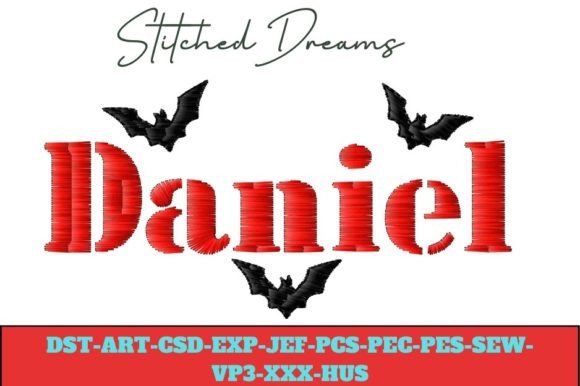
Upon reviewing the Daniel Embroidery Design, the immediate impression is one of festive charm balanced with intricate detail. For an Etsy seller or boutique maker, this balance is crucial. Purely cartoonish designs can sometimes look juvenile, while overly ornate scripts can feel too formal for a casual autumn market. This design appears to hit a sweet spot, combining the whimsy of the holiday with the sophistication expected in premium handmade goods. The name "Daniel" serves as a strong anchor, making it an excellent candidate for personalization services, which are often the highest-margin items at any vendor table.
From a distance, the silhouette needs to be readable. In a busy market environment, customers scan tables quickly. The Daniel Embroidery Design seems structured enough to act as a focal point rather than getting lost in visual noise. For those browsing freebies in the embroidery community, finding a design with this level of intentional composition is rare. It feels like a paid asset, which elevates the perceived value of whatever finished product you attach it to. Whether displayed on a hanging rack or laid flat on a tablecloth, the design has the potential to stop traffic if executed with the right thread colors and contrast.
Best Product Applications for Market Sales
Not every embroidery file suits every substrate. Based on the description of intricate details and playful aesthetics, I have identified specific applications where the Daniel Embroidery Design will perform best as a sellable item.
- Tote Bag Design: Canvas totes are craft fair staples. This design would work beautifully centered on a natural or orange canvas bag. The intricate details will pop against the matte texture of cotton canvas, and the personalization aspect makes it an impulse buy for shoppers named Daniel or buying gifts.
- Tea Towel Embroidery: Seasonal kitchen linens are top sellers in Q4. Because tea towels are viewed up close, the fine details of this design will be appreciated here more than on distant wall hangings. Flour sack towels provide a smooth surface that supports complex stitching without puckering.
- Apron Embroidery: For bakers and hosts, a personalized Halloween apron is a functional gift. Placing the Daniel Embroidery Design on the chest pocket area creates a branded, custom look that justifies a higher price point than generic seasonal decor.
- Embroidered Patch: If you want to maximize profit margins, consider turning this into a patch. Patches allow you to use consistent stabilizer and twill, ensuring perfect registration every time. They can be sold as standalone add-ons or applied to denim jackets and caps.
Production Practicalities and Technical Notes
While the aesthetic is appealing, the technical execution determines whether a product is profitable or a waste of time. As a commercial embroidery business owner, I must flag several practical considerations before running bulk production.
Stitch Density and Fabric Texture
The description mentions "intricate details," which usually signals higher stitch density. On textured fabrics like terry cloth or fleece, these details can sink in and become invisible. If you plan to use the Daniel Embroidery Design on plush items, you must use a water-soluble topping to keep the stitches visible. Conversely, on thin fabrics like quilting cotton, high density can cause bulletproofing or tearing. Always run a sew-out test on the exact fabric you intend to sell. Adjusting the underlay or reducing density slightly might be necessary to maintain the drape of a garment or towel.
Sizing and Legibility
Name designs rely entirely on legibility. Before listing this as a small shop product, verify the minimum size. Intricate serifs or decorative elements in the name "Daniel" may turn into thread blobs if resized below 3 inches wide. Check your software’s stitch simulator to ensure no satin columns fall below 0.8mm. If they do, the design is better suited for larger formats like pillow covers or market bags rather than small pouches or baby bibs.
Hoop Size and Stabilizer Selection
Efficiency at the machine equals profit. Determine the optimal hoop size for the Daniel Embroidery Design to minimize jump stitches and re-hooping. Using the smallest appropriate hoop reduces fabric distortion. Pair this with the correct stabilizer; cutaway for stretchy knits and tearaway for stable wovens. Never guess on stabilizer choice when producing inventory for sale, as poor stabilization leads to warped products that cannot be sold at full price.
Visual Merchandising and Customer Engagement
How you present the Daniel Embroidery Design affects its sales velocity. At a craft fair, lighting and display height matter. Since this is a name-specific design, consider creating a "sample menu" showing the design in various thread colors. This helps customers visualize their own name or preferred color palette without you having to stitch endless samples.
For online sellers, photography is paramount. A printable mockup can help gauge interest before you commit to stitching, but nothing replaces photos of the finished product. Natural light photography showcasing the texture of the stitches conveys quality. When writing listings, emphasize the "handmade product" aspect and the specific intricacies of the design. Use keywords like "custom Halloween embroidery" and "personalized fall decor" to align with search intent. The Daniel Embroidery Design should be photographed in context—on a table setting, being carried, or worn—to help buyers understand scale and utility.
Designer Checklist Before Selling
Before adding items featuring the Daniel Embroidery Design to your inventory, complete this professional checklist to ensure quality and compliance.
- Verify Licensing: Even if sourced from freebies, confirm the license allows for commercial use of finished products. Some designers restrict mass production or require attribution.
- Test Sew-Out: Stitch the design on scrap fabric identical to your selling stock. Inspect for thread breaks, registration errors, or excessive density.
- Thread Contrast Check: Ensure the design reads well on both light and dark backgrounds. You may need to adjust thread colors for different fabric bases.
- Create Real Mockups: Photograph at least one physical sample. Digital renders often fail to show how intricate details interact with fabric grain.
- Confirm File Integrity: Check the digital embroidery file for corruption or missing color stops before starting a production run.
- Evaluate Profit Margin: Calculate thread usage and run time. Intricate designs take longer; ensure your pricing reflects the machine time and expertise required.
The Daniel Embroidery Design holds significant promise for creative entrepreneurs looking to expand their Halloween offerings. Its blend of personalization and seasonal spirit addresses a specific buyer desire, but success lies in the details. By respecting the technical requirements of stitch density, choosing the right substrates, and presenting the finished product with professional merchandising, you can transform this digital asset into a best-selling craft fair staple. Always prioritize quality testing over speed, and let the intricate beauty of the embroidery speak for itself in your handmade marketplace.