Witchy Crystal Ball Cross Stitch Pattern Review
As an experienced embroidery designer preparing for the upcoming weekend craft fair season, I constantly evaluate new digital assets to determine their viability for physical products. When reviewing the Witchy Crystal Ball Cross Stitch Pattern, my primary focus is not just on the aesthetic appeal of the digital chart, but on its translatability into a profitable craft fair product. This specific design, described as a mystical fortune teller scene intended for spooky wall decor, presents unique opportunities and challenges for makers who want to expand beyond framed art into functional handmade goods.
First Impressions: Mystical Appeal Meets Market Trends
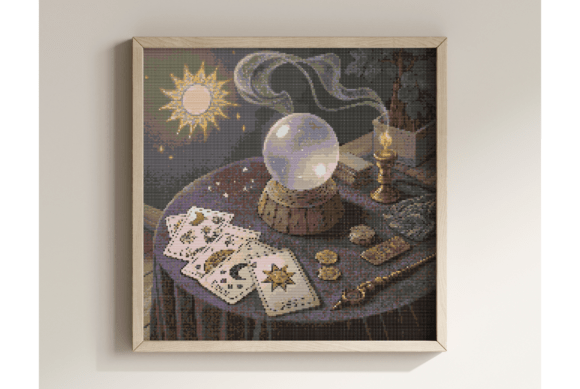
Upon opening the digital PDF, the immediate impression of this Witchy Crystal Ball Cross Stitch Pattern is one of modern mysticism rather than cartoonish Halloween novelty. The aesthetic leans towards elegant and moody, which is crucial for attracting adult buyers at handmade markets. For an Etsy seller or boutique maker, this distinction is vital. Designs that feel too juvenile often struggle to command premium pricing, whereas this pattern’s detailed counted chart suggests a sophistication that aligns with current "cottagecore" and "dark academia" trends.
The visual weight of the crystal ball motif serves as a strong focal point. It feels bold enough to be recognized from three feet away at a crowded booth, yet the intricate details promise a high-quality handmade product when inspected up close. This balance is the sweet spot for craft fair sales; customers are drawn in by the silhouette and converted by the stitch quality. As a graphic asset, it avoids being overly cluttered, making it a versatile candidate for various applications beyond its original intent as wall decor.
Product Viability: From Wall Decor to Functional Goods
While the description highlights spooky wall decor, a successful embroidery business must maximize the ROI of every digital embroidery file purchased. Here is how I evaluate this pattern for specific inventory items:
- Tote Bag Design: This is likely the highest-potential application. The circular geometry of the crystal ball fits perfectly within the natural sightline of a canvas tote. It allows for a centered placement that doesn't get lost in bag folds. For a tote bag design, this pattern offers a trendy alternative to generic floral motifs.
- Tea Towel Embroidery: Kitchen textiles are craft fair staples. However, because this is a cross stitch adaptation, you must consider the weave of the towel. Aida or evenweave tea towels are ideal. Standard terry cloth may obscure the pixel-art nature of the cross stitch chart. If adapting for machine embroidery on terry, significant digitizing adjustments will be necessary to maintain clarity.
- Embroidered Patch: The contained shape of the crystal ball makes it an excellent candidate for patches. Patches are high-margin add-ons at market tables. Because the design is self-contained, it requires minimal border cleanup compared to sprawling scenic designs.
- Apron Embroidery: Placing this design on the bib of an apron creates a whimsical "kitchen witch" vibe. However, ensure the hoop size accommodates the full detail without distorting the curved surface of the apron bib.
- Pillow Covers: For home decor vendors, this pattern translates well to accent pillows. The mystical theme pairs beautifully with velvet or dark linen fabrics, elevating the perceived value of the finished item.
Production Practicalities and Technical Considerations
Transitioning a Witchy Crystal Ball Cross Stitch Pattern from a PDF chart to a production-ready machine embroidery design or hand-stitched item requires technical diligence. Cross stitch graphics rely on a grid system that behaves differently than satin or fill stitches. When evaluating this for batch production, I look at stitch density and color changes.
If you are converting this counted chart into a machine format, be wary of excessive jump stitches between the "pixels" of the cross stitch. This can slow down production time significantly. For hand stitchers selling finished goods, calculate your hourly rate carefully. A detailed fortune teller scene may take dozens of hours; ensure your pricing reflects that labor, or reserve this specific pattern for higher-ticket items like premium pillow covers rather than low-cost keychains.
Photographing this design for online listings requires attention to lighting. Dark, moody themes can look muddy in photos. Use natural light or a ring light to ensure the thread colors pop against the fabric. A high-quality printable mockup can also help visualize the final result before committing to stitching samples, saving valuable materials during the testing phase.
Careful Use Notes: Avoiding Common Pitfalls
Not every fabric is suitable for the Witchy Crystal Ball Cross Stitch Pattern. Based on my experience with similar mystical graphics, here are critical warnings for makers:
- Fabric Texture Matters: Cross stitch demands uniformity. Avoid highly textured slub linens or thick fleece unless you are using waste canvas. The geometric precision of the crystal ball will look distorted on uneven surfaces.
- Small Lettering Risks: If the fortune teller scene includes tiny text or tarot symbols, test the legibility first. At smaller sizes, these details often turn into illegible blobs. You may need to simplify the chart for items like pouches or caps.
- Dark Fabric Contrast: Spooky themes often utilize black or navy fabric. Ensure your floss or thread selection has high contrast. Metallic threads can add magic but may fray easily in machine embroidery; use them sparingly as accents rather than structural elements.
- Stabilizer Selection: For tote bags and market bags, use a heavy-duty cut-away stabilizer to prevent puckering around the dense cross stitch areas. For lighter fabrics like pillow covers, a tear-away might suffice, but always test first.
Designer’s Checklist for Commercial Success
Before listing any product featuring this design or bringing it to a weekend market, run through this professional checklist. These steps protect your brand reputation and ensure customer satisfaction.
- Verify Licensing: Confirm that the commercial embroidery rights allow for selling finished physical products. Some designers restrict usage to personal projects only.
- Create Physical Samples: Never rely solely on a digital preview. Stitch out the Witchy Crystal Ball Cross Stitch Pattern on your actual selling substrate to check tension and alignment.
- Check Thread Inventory: Mystical palettes often require specific shades of purple, gold, and grey. Ensure you have enough dye-lot-consistent thread for batch production to avoid color mismatches.
- Assess Hoop Compatibility: Verify the design dimensions fit your most commonly used hoops. Re-hooping mid-design increases error risk and production time.
- Evaluate Brand Consistency: Does this witchy aesthetic align with your existing shop identity? If you typically sell bright nursery decor, this might alienate regulars unless marketed as a special seasonal collection.
Maximizing Booth Display and Buyer Engagement
At a craft fair, the Witchy Crystal Ball Cross Stitch Pattern should be positioned strategically. Group it with complementary items to create a vignette. For example, display the embroidered tote bag next to a matching patch and a small crystal or tarot prop. This contextualizes the small shop product and encourages multi-item purchases.
Engage customers by highlighting the "handmade" aspect. Since this originates from a detailed counted chart, emphasize the precision and time involved. Buyers appreciate knowing that a finished product wasn't mass-produced in a factory. If selling the digital pattern itself alongside physical goods, have a tablet displaying the PDF so customers can see the complexity of the chart. This transparency builds trust and justifies price points for both the physical item and the design assets.
Ultimately, the Witchy Crystal Ball Cross Stitch Pattern is a strong contender for the autumn and winter market circuit. Its blend of trending aesthetics and adaptable geometry makes it more than just a wall hanging; it is a versatile asset for the creative entrepreneur. By respecting the technical requirements of cross stitch adaptation and focusing on high-value applications like totes and home decor, you can transform this digital graphic into a tangible bestseller. Always remember to test, verify, and price according to the true value of your craftsmanship.